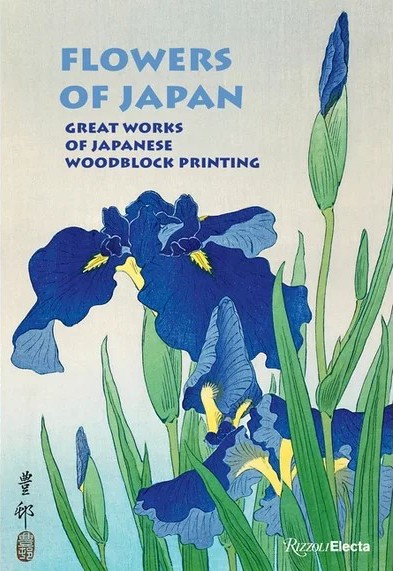
Slipcase: Ohara Shöson, Iris, publisher Kawaguchi Jirö, ca. 1930, Minneapolis, Minnesota Institute of Art
.
All content included on this site such as text, graphics and images is protected by U.S and international copyright law.
The compilation of all content on this site is the exclusive property of the site copyright holder.
Friday, 30 January 2026
Flowers of Japan; Great Works of Japanese Woodblock Printing
Amélie Balcou, author
Slipcase: Ohara Shöson, Iris, publisher Kawaguchi Jirö, ca. 1930, Minneapolis, Minnesota Institute of Art
At least half of the most beloved flowers in our gardens originated in Japan: perennials such as peonies, iris, daylilies, chrysanthemums, and lilies. Woody plants including azaleas, Japanese maples, camellias, magnolias and cherry trees. Water lilies. And more.
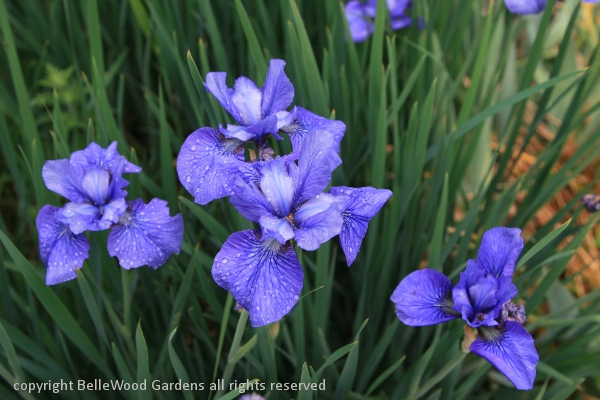
And where these plants originated their native beauty is also appreciated in art.
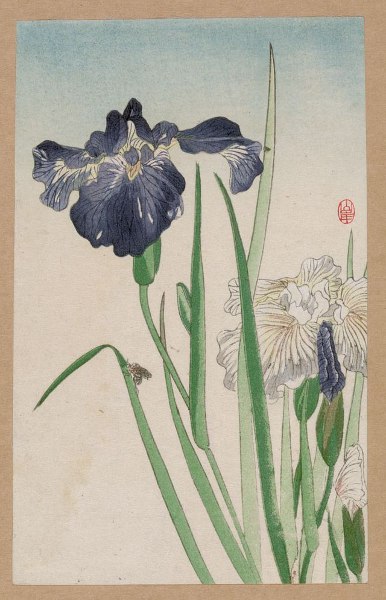
Woodcut print of Hanashobu,, Japanese iris, pre-1915. image courtesy Wikimedia Commons
This is a - choose a word, or several words: elegant, graceful, pleasingly simple - visual celebration of the beauty of flowers as the seasons turn in a handsome Japanese-style accordion-fold book with open binding and slipcased with an informational booklet. At 4 3/4 by 6 3/4 inches it will fit in your hand but the fan-folding makes it difficult to turn the "pages." Better to lay this little book down on a desk or table to safely peruse the images.
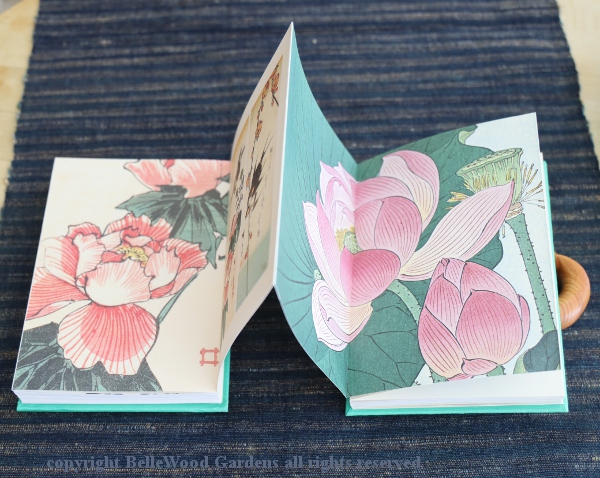
image copyright BelleWood Gardens all rights reserved
With the book opened to show the fan-fold technique of pagination, an image of lotus to compare
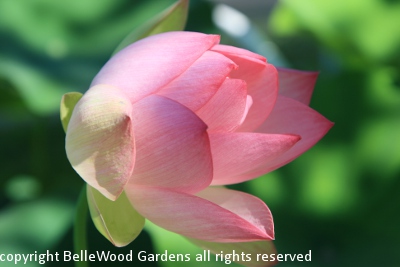
image copyright BelleWood Gardens all rights reserved
with a photograph of the actual flower. Elegant paring down of the flower's form
realistic with no abstraction or artificial manipulation of its shape and habit.
The serenity of nature and the graceful beauty of flowers are traditional themes in classical Japanese art.
Many of the images are presented on individual pages, as here, with two different iris on two facing pages.
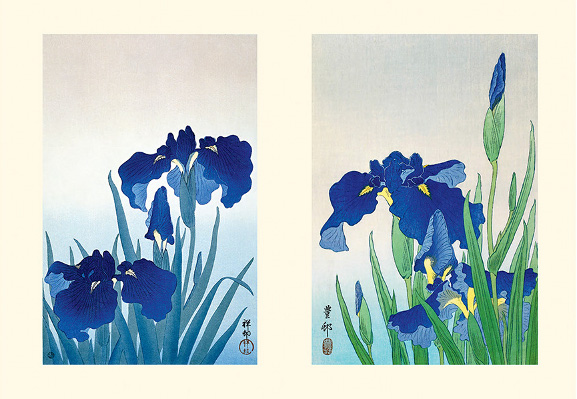
image courtesy Rizzoli Electa, all rights reserved
Others, such as the lotus shown above, where the one image fills two pages
Some of the images include a dragonfly, a frog, or, more often, a bird. Here we see
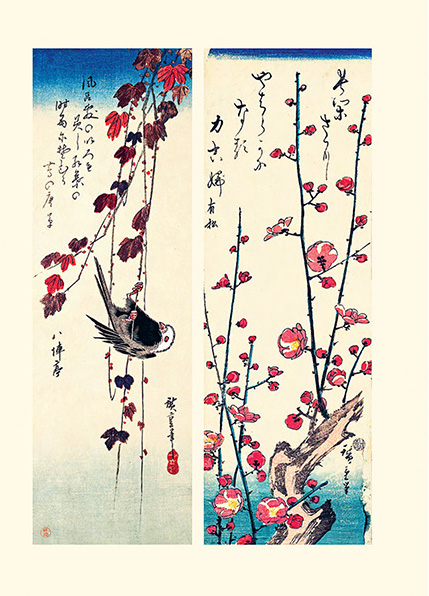
image courtesy Rizzoli Electa, all rights reserved
a long tailed tit on autumn ivy, by Utagawa Hiroshige circa 1835,
from the collection of the Metropolitan Museum of Art, New York City.
These are two of a quartet of tall narrow images on a pair of pages.
There is a small informational booklet tucked into the slipcase. It explains the history of Japanese woodcuts, explores the background of the particular Japanese artists, and a - let's call it an index of the numerous images. These black and white indice images often show only a portion of the color images. The booklet has pagination; the woodcuts do not. It took me several tries to coordinate using them together. But looking at the images again and again is a delight, as I find new details to appreciate.
Meticulously executed with realistic detail and subtle color, this unique art book—featuring a concertina format—showcases the perennial appeal of Japanese woodblock prints celebrating the ephemeral bounty of flowers throughout the seasons. This curated collection features the classic flowers that symbolize the progression of the seasons in Japanese culture—cherry blossoms of spring along with peonies, iris, lilies, summer's roses and water lilies, and the chrysanthemums of autumn.
Gardeners are enchanted by these beautiful plants. Equally intrigued are many familiar Western artists.
And how different are their paintings than the wood block prints of Japan.
.
Claude Monet, renown for paintings waterlilies also painted Japanese iris.
One of his famous series of iris, primarily created between 1914 and 1917.
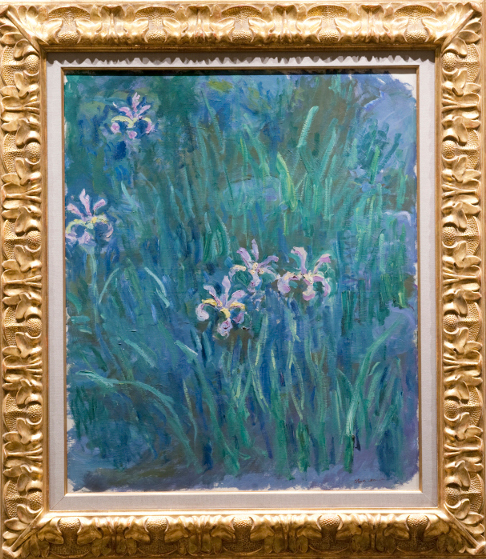
.
Vincent van Gogh enthusiastically painted sunflowers. As you can see, he too, painted iris.
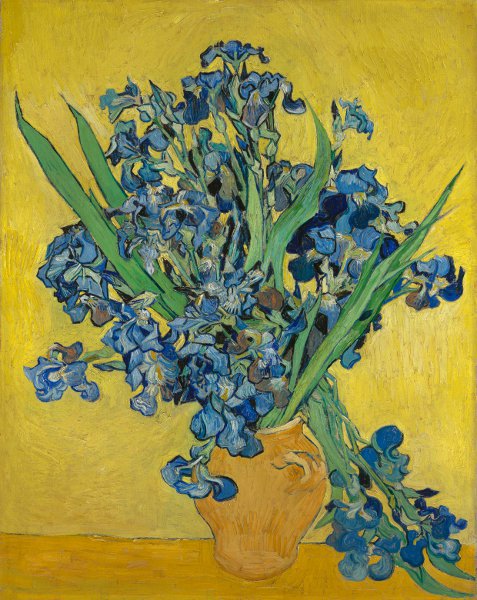
This still life was painted while he was in the psychiatric hospital in Saint-Rémy in 1899.
The irises were originally purple. But as the red pigment has faded, they have turned blue.
.
There are the perhaps less familiar paintings of the 19th century English biologist and botanical artist Marianne North
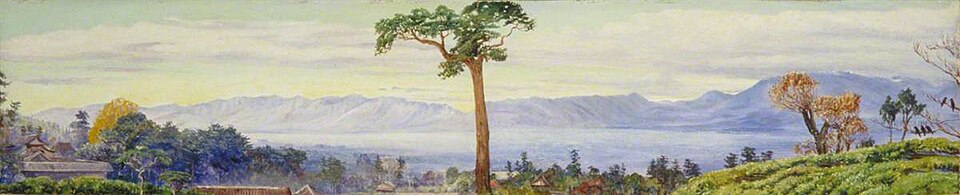
View of the City of Kioto, Japan, in the Morning Mist. Painted by Marianne North, circa 1876
Flowers of Japan; Great Works of Japanese Woodblock Printing
Amélie Balcou, author
Rizzoli Electa, publication date February 24, 2026
Hardcover, ISBN 978-0-8478-7627-3, $35.00
A review copy of this book was provided by the publisher
Back to Book Reviews, 2026 edition
Back to January
Back to the main Diary Page
If you have any comments or questions, you can e-mail me: jgglatt@gmail.com